Two substances to keep apart
What is TB-500, and which findings belong to thymosin beta-4?
The laboratory-made copy contains a short section from a protein found in the body. Most healing findings came from the whole 43-residue protein, whose linked parts are called residues. The difference matters when judging a claim about your health.
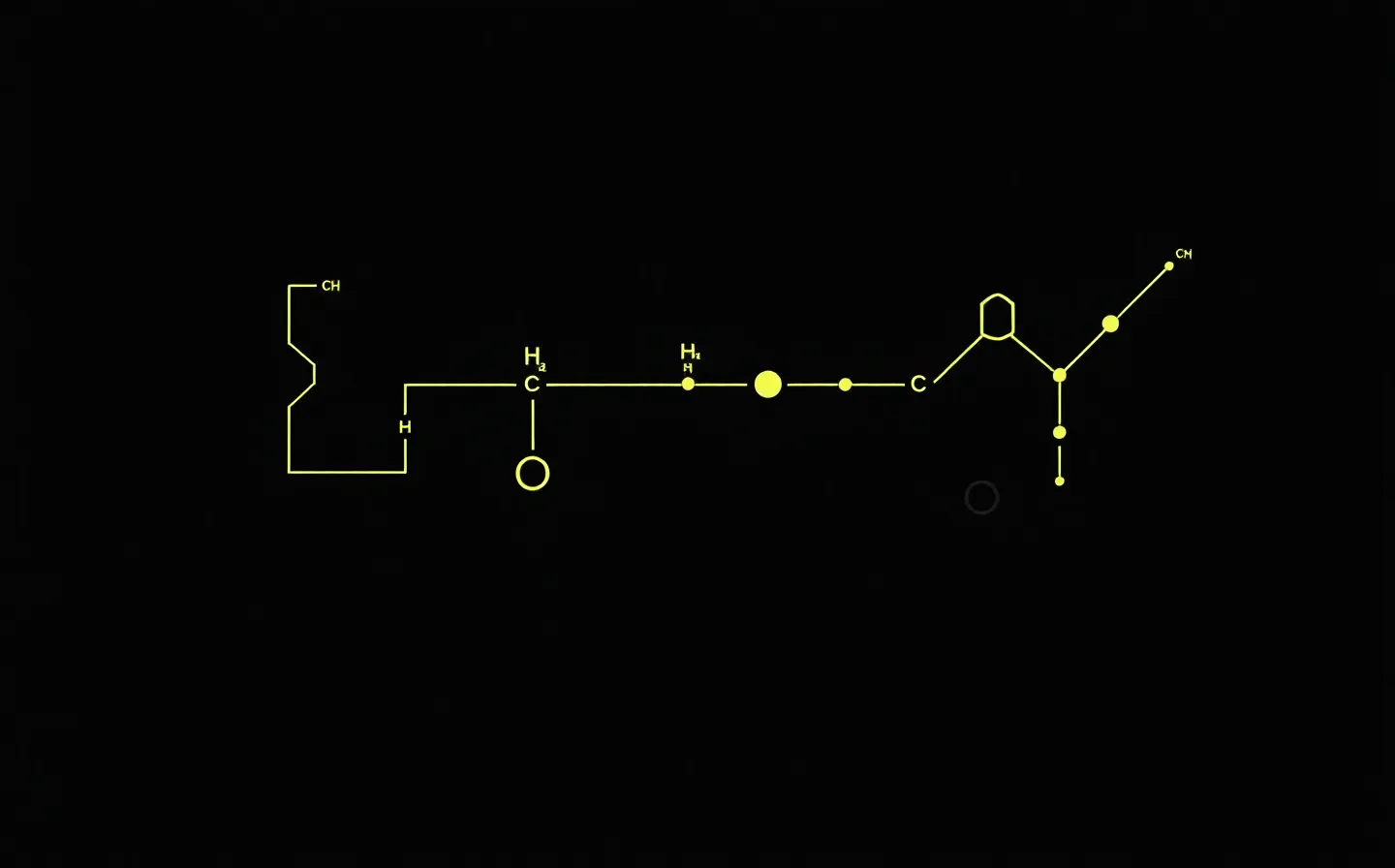
Which substance produced the results about healing?
Thymosin beta-4 is a 43-amino-acid protein found in nearly every human cell; amino acids are the tiny parts joined into proteins [5]. TB-500 copies seven parts from one stretch of that larger protein. The copy weighs about 889 daltons, units used for weights too small for an ordinary scale. Whole thymosin beta-4 weighs about 4963 daltons, so the two substances differ greatly in size.
Most findings about better healing come from studies using the whole protein [5]. Those studies don't show that TB-500 will help your knee or another injury. Zero human trials have finished comparing TB-500 with other care to test healing [12]. Such a comparison would help separate a treatment's effect from healing that happens on its own.
Thymosin beta-4 helps cells manage actin, a protein used to form strands that allow cells to move [1]. The larger protein holds some actin ready for use, helping cells change shape as needed. Blood cells release the larger protein near an injury, as do cells of the immune system; studies found increased cell movement and reduced scarring [5]. The TB-500 cardiac research page explains findings about damaged hearts, where the tested substance also matters.
Why does a TB-500 peptide differ from thymosin beta-4?
Peptide means protein parts linked into a short chain; this copy is made in a laboratory. The small copy weighs about 889 daltons, a measure for weights beyond an ordinary scale. TB-500 copies a section of thymosin beta-4 involved in controlling cell movement [1]. Researchers therefore study possible healing, while benefit from the copy remains unproved for your injury.
Laboratories receive the substance as powder and dissolve the powder in water free of germs. This is preparation for an experiment, rather than evidence about a safe patient injection. The short chain resists damage better than the larger protein, though the copy can deteriorate when frozen and thawed. How a powder keeps doesn't tell a doctor whether the substance is safe for you.
A different section of thymosin beta-4 has been studied for reducing scars and helping blood vessels grow [5]. That section is separate from the part copied into TB-500, so those findings cannot show effects from TB-500. Here, TB-500 peptide means the copy weighing 889 daltons, compared with 4963 daltons for whole thymosin beta-4. For a healing claim, the useful question is which of these substances was actually tested.
What can an X-ray tell us about thymosin beta-4 and TB-500?
The larger protein has a 43-residue chain; each residue is a part linked to others to form the protein. An X-ray study examined actin held by thymosin beta-4 joined to part of another protein. The study saw detail at 2 Angstrom, a distance invisible to the unaided eye. The 1:1 pairing linked a single thymosin beta-4 protein with a single actin protein held in reserve [1].
Cells move by changing their shape, using strands made from the actin protein. Keeping some actin in reserve helps cells form new strands where movement needs them. Studies with the larger protein found more movement of skin, muscle, and blood-vessel cells [5]. Injury studies also found less scarring and inflammation, meaning the response that brings heat, swelling, or soreness after injury.
Most studies of wounds, stroke, heart repair, and human safety used whole thymosin beta-4 [5][12]. An X-ray shows how proteins fit; the image doesn't show a wound getting better. The thymosin beta-4 findings describe what changed in separate healing experiments. Those findings don't prove the copy improves healing in people with your injury.
Which four facts help when weighing a treatment claim?
The first fact is that the substances have different sizes and cannot be treated as interchangeable. About 889 daltons is the copy's weight, compared with about 4963 daltons for the whole protein [5]. Daltons measure weights far too small for a household scale. The second fact is that zero human trials comparing the copy with other care have finished [12].
The third fact concerns 40 healthy volunteers in Phase 1, the first safety-testing stage [6]. Researchers gave whole thymosin beta-4 into a vein, testing as much as 1260 milligrams. A milligram is a thousandth of a gram; these study amounts are not instructions for your treatment. The fourth fact is that FDA, the federal medicine agency, has approved no TB-500 treatment for people [12].
The TB-500 healing studies and TB-500 cardiac research describe changes in wounds and hearts. The TB-500 study amounts explain what experiments used and why those amounts don't show patient care. The TB-500 pharmacy page covers section 503A, the law for medicines prepared for individual patients. The TB-500 answers and TB-500 references help with questions about a particular claim.
Where can I read accounts from people using research products?
The TB-500 effects and safety page describes experiences reported by people using research products on themselves. Researchers haven't compared treatments in people to check whether these reported changes came from the substance. Possible harms that human studies haven't settled are explained there too.